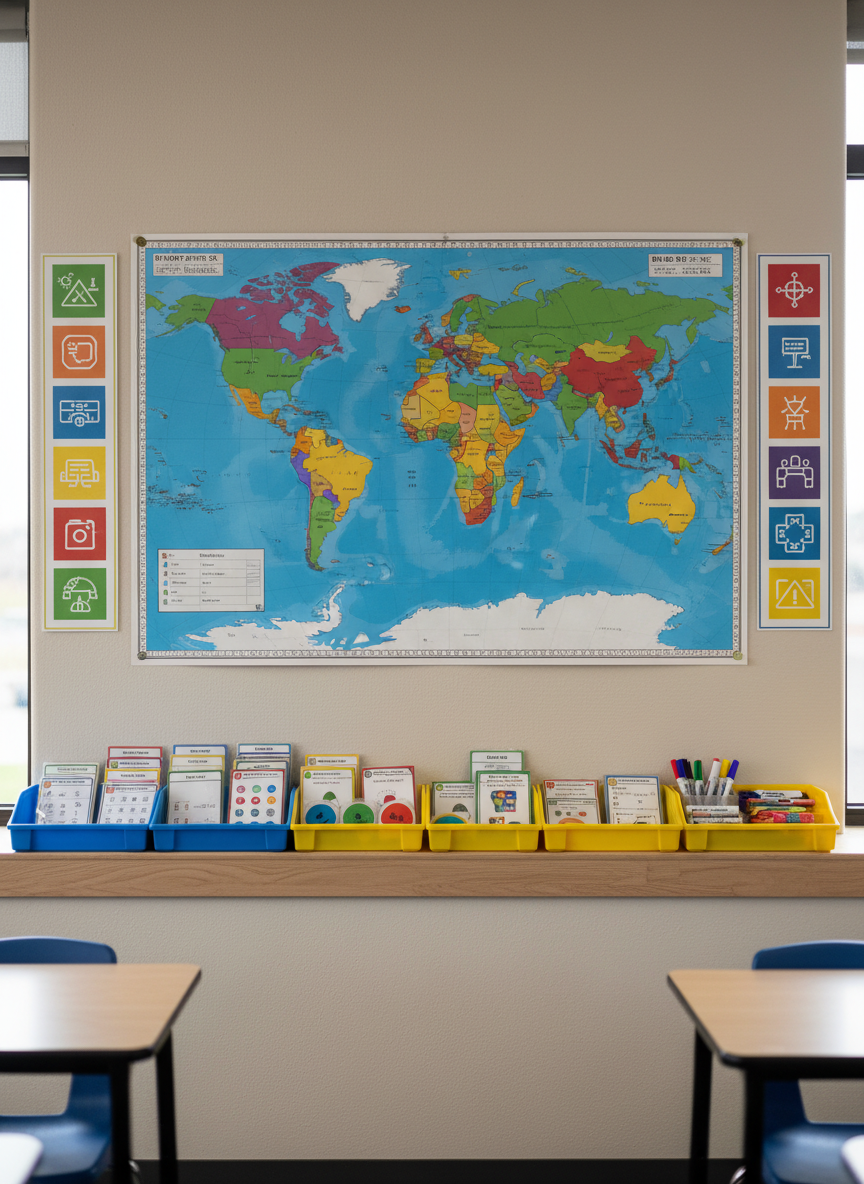
A close-up, horizontal photographic shot of a large, colorful school wall map hanging on a slightly textured classroom wall, accompanied by adjacent educational posters with abstract icons instead of text. Beneath the map, a narrow wooden ledge holds a row of small, stackable plastic trays filled with laminated task cards, behavior tracking tokens, and dry-erase markers. Natural overcast daylight from a nearby window creates soft, shadowless lighting, revealing the subtle sheen of the lamination and the grain in the wood. The mood is professional and informative, with a clean, modern aesthetic. Captured straight on with a shallow depth of field that keeps the map and trays sharp while gently blurring the distant classroom furniture, the image underscores high-quality visual materials as a core part of teaching.

Product Overview

Explore classroom tools that improve behavior, deepen understanding, and give teachers flexible, research‑informed digital support.

About

Designed For Real Classrooms

Stiefel develops visual and digital resources that align with how children learn, supporting positive behavior, clear routines, and engaging practice for every lesson.
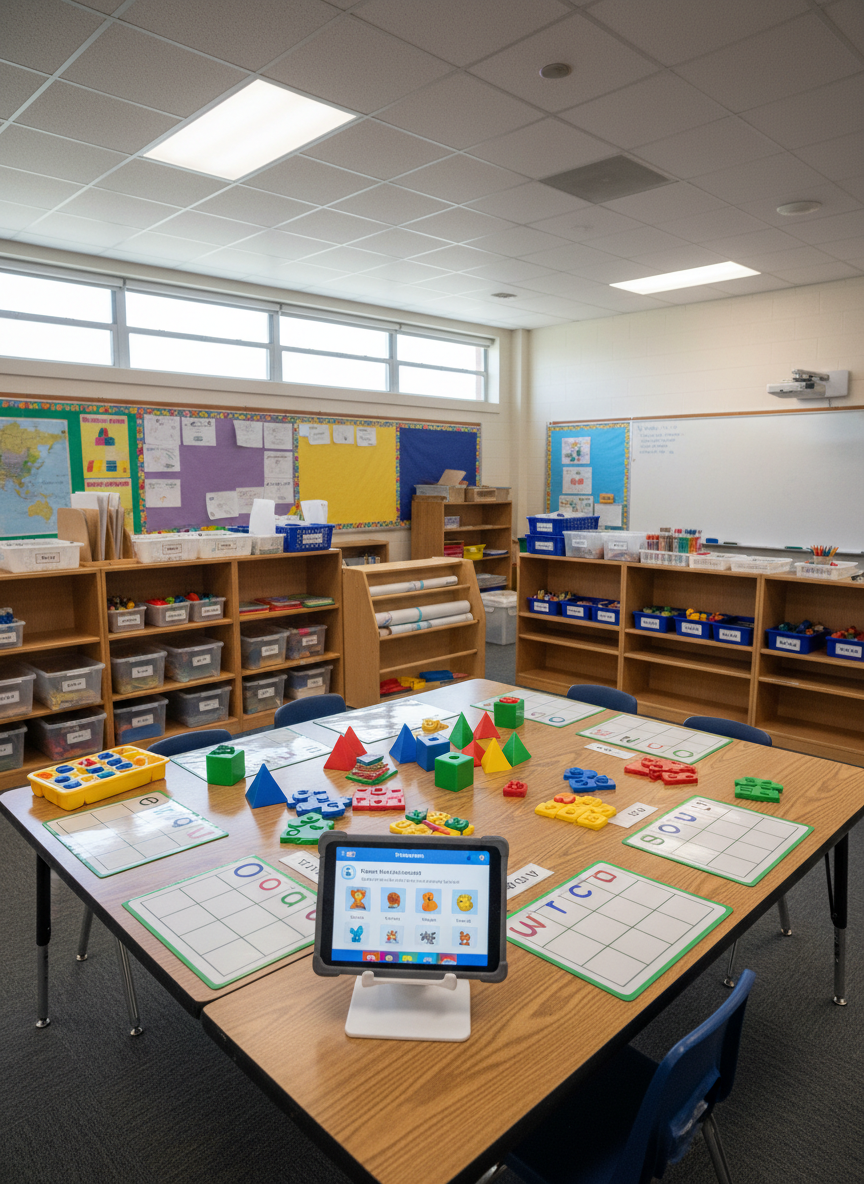
A spacious, well-used elementary classroom scene centered on a rectangular table covered with hands-on educational products: durable plastic geometry shapes, tactile letter tiles, laminated activity mats, and a simple, generic-branded tablet propped on a stand showing an illustrated quiz interface. Surrounding shelves contain neatly labeled transparent bins holding more learning tools and maps rolled in a corner rack. Overhead, diffused ceiling lights mix with soft daylight from high windows, creating even, naturalistic illumination with minimal glare. Photographed from a slightly elevated corner of the room with wide-angle perspective and sharp detail, the composition highlights the table as the focal point while keeping the background authentic and slightly imperfect, suggesting real, everyday classroom practice supported by both physical and digital resources.
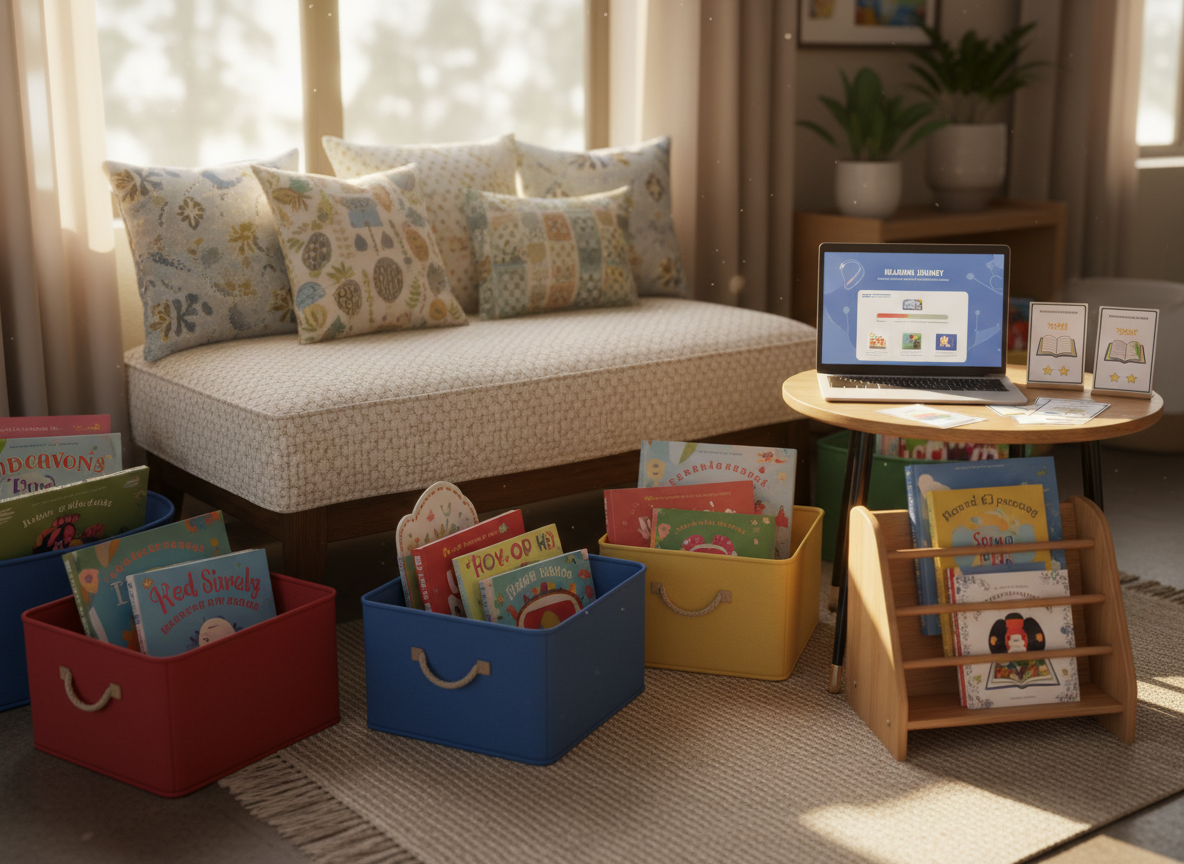
A tidy reading and learning nook in a classroom, centered on a low, upholstered bench with neutral fabric surrounded by book bins filled with colorful, unbranded children’s books. On a small adjacent table, a lightweight laptop shows a generic library or reading progress interface, while printed recommendation cards and a simple, wooden book display stand nearby. Warm late-afternoon sunlight streams in from a side window, casting elongated, gentle shadows and creating a cozy, focused atmosphere. Photographed from a low, three-quarter angle with a slightly shallow depth of field, the image balances soft textures from cushions and fabric book bins with the sleek surface of the laptop screen, reinforcing the idea of digital tools quietly enhancing traditional reading spaces.

Interactive maps

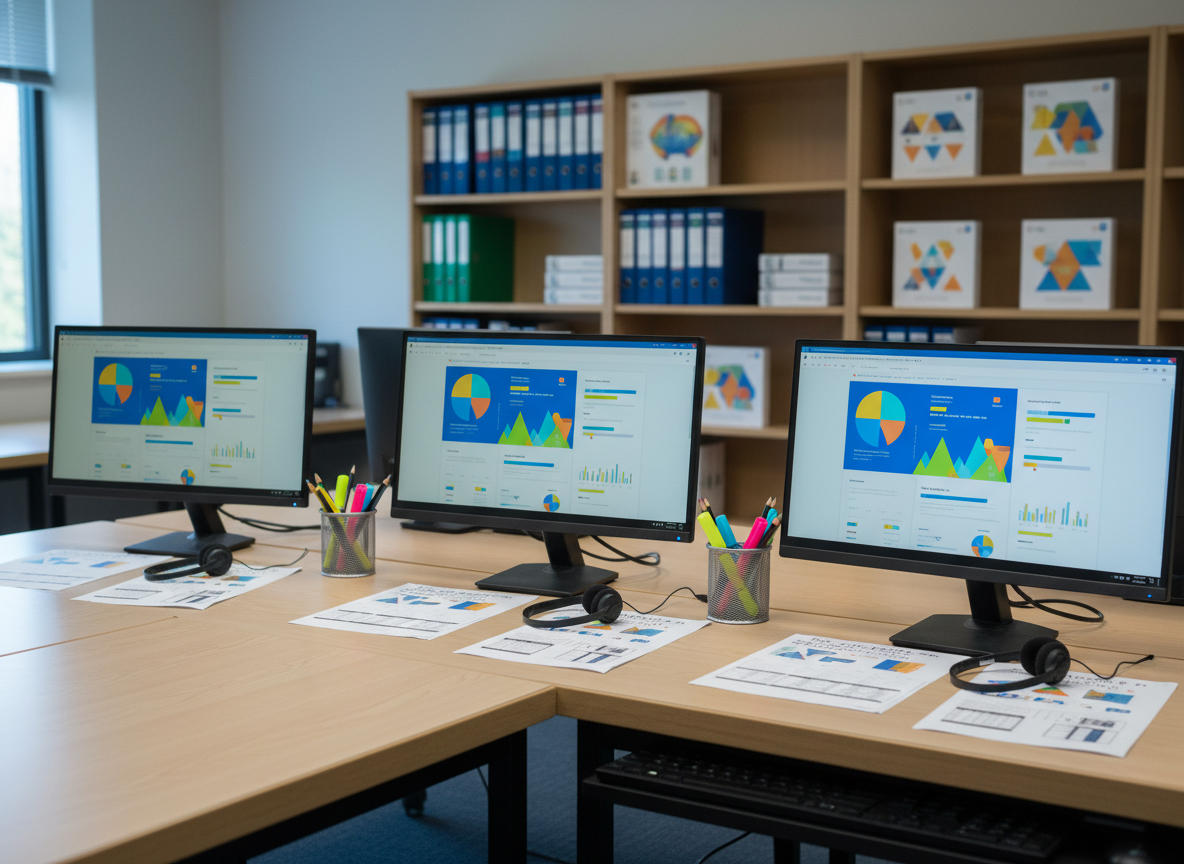
A realistic computer lab corner in a school, featuring a sturdy, light-wood table with three slim desktop monitors showing generic, colorful learning dashboards without legible text. Beside each monitor sits a stack of printed worksheets, a simple headset, and a small caddy of pencils and highlighters. A tall bookshelf in the background holds curriculum binders and boxed educational kits, their covers designed with abstract shapes rather than brand names. Cool, even overhead lighting mixes with faint window light, producing balanced illumination and soft reflections on the screens. Photographed at eye level with moderate depth of field, the composition uses leading lines from the desktops to guide the eye toward the digital content, illustrating how software and print materials work together in an authentic school setting.

Digital exercises

Testimonials

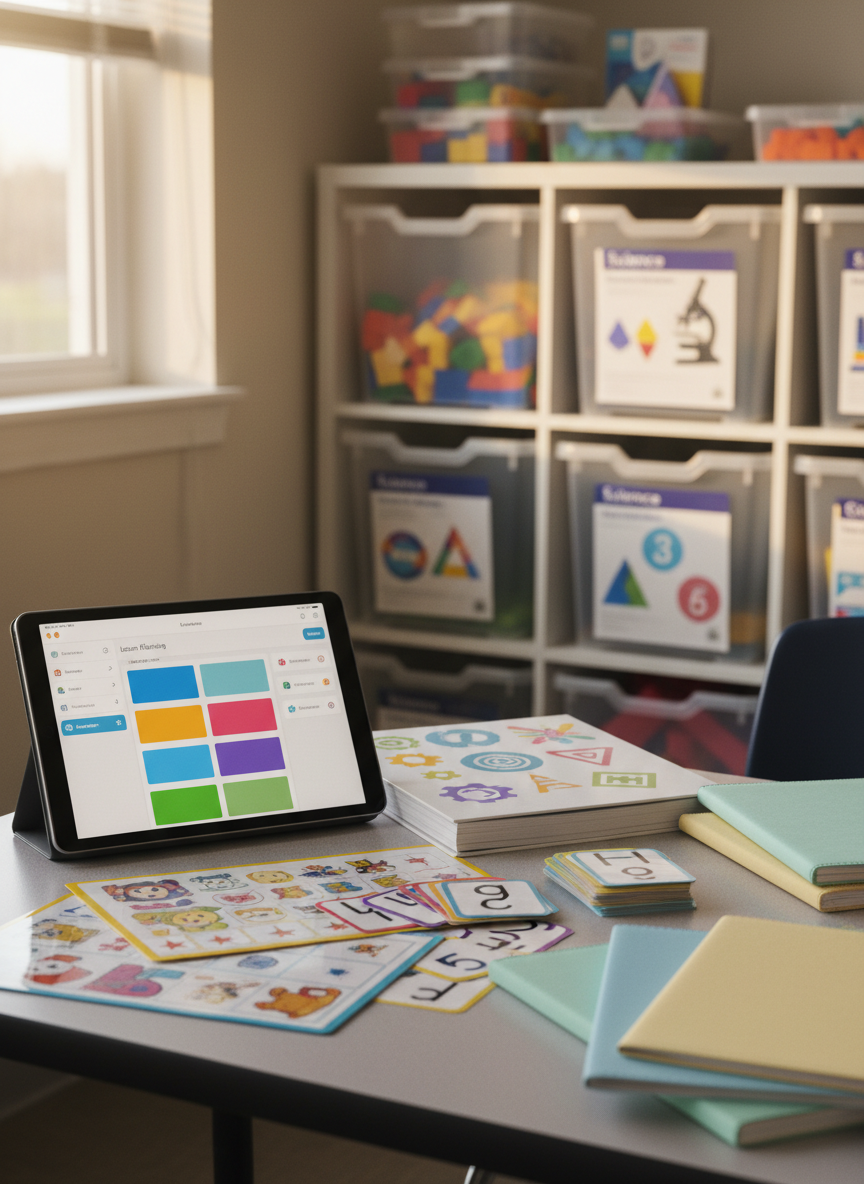
An inviting teacher’s desk in a real classroom, neatly arranged with open digital tablet displaying a lesson dashboard beside a printed spiral-bound teacher’s guide labeled only with generic symbols. Around it lie laminated behavior charts, colorful flashcards, and a stack of blank exercise notebooks with soft, textured covers. In the background, slightly out of focus, practical storage units hold bins of math manipulatives and science kits. Soft afternoon window light enters from the left, creating gentle highlights on the tablet’s glass and subtle shadows along the paper edges. Shot from a slightly elevated angle with shallow depth of field, this photographic image feels organized and professional, conveying how educational products and software support thoughtful lesson planning.

Hope D.

Using Stiefel’s digital lessons, my restless students stay focused longer and participate more confidently in discussions and group work.
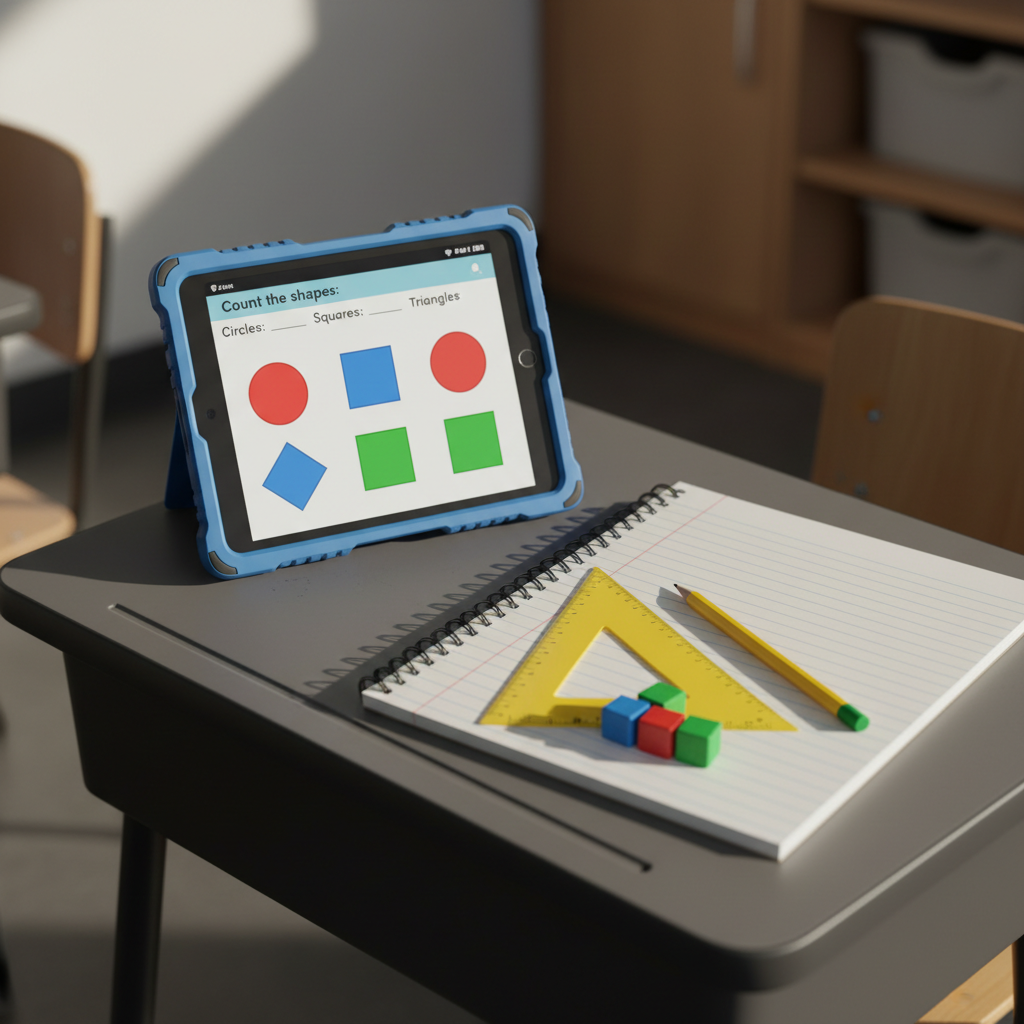
A detailed close-up of a student workstation without showing any students: a matte-finish school desk with a slightly worn edge, holding a ruggedized tablet in a protective case displaying a simple, colorful math exercise, alongside a lined notebook open to a neatly ruled blank page. A triangular ruler, chunky pencil, and set of small counting cubes are arranged with natural imperfection. Soft morning window light from the right produces gentle directional shadows and a calm, focused mood. The background is softly blurred but hints at other desks and a classroom storage unit. Photographed from an overhead three-quarter angle with a shallow depth of field, the realistic image highlights the interplay between physical manipulatives and digital practice in everyday learning.

Hope D.

The interactive whiteboard resources from Stiefel turned revision into a game; behavior incidents during review lessons dropped noticeably.
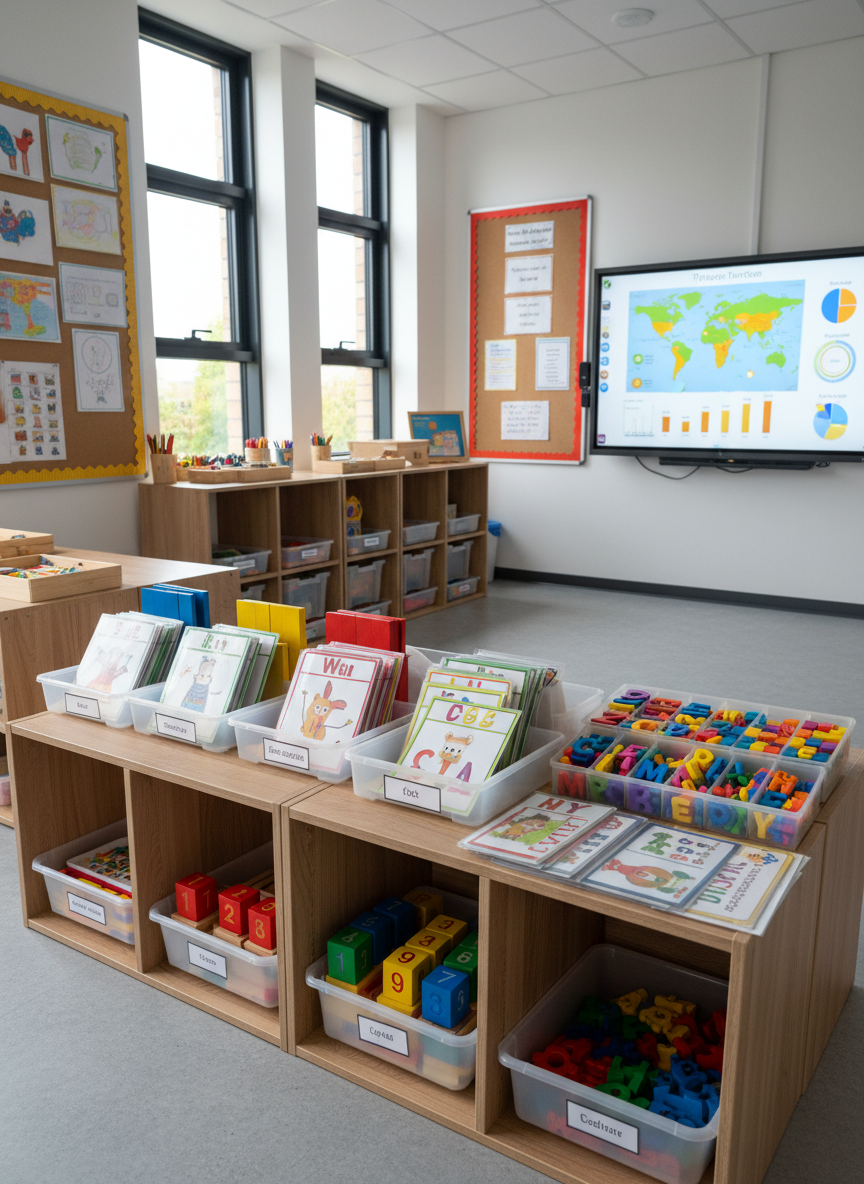
A modern primary school classroom focused on a large, wall-mounted interactive whiteboard displaying a colorful world map and simple graphs. Low bookshelves are lined with tactile educational products such as sturdy wooden number blocks, laminated activity cards, and bright magnetic letters organized in trays. Natural daylight pours through tall windows, reflecting softly off a matte-finish tiled floor and textured cork display boards. The atmosphere feels calm and studious, with subtle shadows defining each object. Photographed at eye level with sharp focus throughout and a clean, documentary-style photographic realism, the composition uses the rule of thirds to emphasize the relationship between traditional materials in the foreground and the digital screen in the background, suggesting balanced, authentic learning.

Hope D.

Stiefel’s visuals help my younger pupils understand routines faster, so transitions are smoother and I spend less time managing behavior.

A close-up, horizontal photographic shot of a large, colorful school wall map hanging on a slightly textured classroom wall, accompanied by adjacent educational posters with abstract icons instead of text. Beneath the map, a narrow wooden ledge holds a row of small, stackable plastic trays filled with laminated task cards, behavior tracking tokens, and dry-erase markers. Natural overcast daylight from a nearby window creates soft, shadowless lighting, revealing the subtle sheen of the lamination and the grain in the wood. The mood is professional and informative, with a clean, modern aesthetic. Captured straight on with a shallow depth of field that keeps the map and trays sharp while gently blurring the distant classroom furniture, the image underscores high-quality visual materials as a core part of teaching.

Hope D.

Planning with ScoalaAZ saves me hours weekly, freeing time for feedback and one‑to‑one support with struggling learners.